Tuesday, 30 May 2017

8 Powerful Tips for Going Viral on LinkedIn Pulse

8 Powerful Tips for Going Viral on LinkedIn Pulse


We’ve all heard the story. Somebody publishes a post on LinkedIn, and nearly overnight it goes viral, soliciting massive amounts of traffic, shares, and comments — and, consequently, a sharp spike in both leads and sales. Was it due to skill, luck … or maybe a little of both?


LinkedIn Pulse is proving to be a valuable place to publish content, especially for B2B marketers. In fact, 93 percent of B2B marketers report social media as their No. 1 tactic for content creation and distribution. Plus 79 percent of B2B marketers report that LinkedIn is an effective source for generating B2B leads.


More than 106 million users log on to LinkedIn monthly and actively engage with content. There is a huge opportunity to capitalize on the fact that all these professionals are actively seeking, reading, and sharing content through the platform. But what should you do if you’ve never published a viral post, yet want to boost your odds of capturing attention on a viral scale? Here are a few tips for getting started.


1. Select a winning topic


Not sure how to select a winning topic? If so, don’t worry — research will point you in the right direction. Use specific keywords to explore different themes. For example, let’s say you want to publish an article about content marketing. You can use tools such as BuzzSumo to analyze the most popular posts on LinkedIn, ranked by social shares.


In addition, you can identify influencers in your industry, which helps with promoting your content and increasing your company’s exposure. The results of the research will unveil trends about your target market and what they read and share. For example, perhaps right now people are gravitating toward content about video marketing. If so, you can craft content with a new angle using that proven topic.


Key takeaway: Selecting the right topic is the cornerstone of LinkedIn content success. Don’t trust your gut; instead, rely on research to pick a topic with the greatest chances of going viral.


2. Make more comments


Do you want to boost the odds of your post going viral? If so, after publishing an article, carve out time to reply to comments. LinkedIn’s “top voices” made 10 times more replies and comments to their articles when compared to the average LinkedIn publisher.


For example, check out the article “11 Simple Concepts to Become a Better Leader” that went viral on LinkedIn.


To date, the article has harnessed almost 28,000 likes and well over 300 shares; however, it also has more than 7,500 comments. Replying to every single comment on a popular post may not be possible, but in the beginning, you can reply to most comments to give your article the push it needs to harness attention. As time moves on, replies may be less frequent and more difficult to keep up with.


Key takeaway: Reply to comments after publishing a post to boost engagement and increase the odds of additional exposure.


3. Use posts with proven success


There is some confusion about posting previously published content to LinkedIn Pulse. Will it hurt your SEO rankings? Is it bad for your LinkedIn reputation? And equally important, will it hurt your chances of producing viral content? The answers may surprise you.


Duplicate content essentially takes content that you posted elsewhere, such as your corporate blog, and reposts that content on LinkedIn. This is a good strategy when the content has a proven performance record. For example, consider something that you posted to your blog that has received the highest engagement of all your posts. What should you do next to get that content in front of a larger audience? Here are a few tips for using this strategy successfully:


  • Wait a week after the original content is published to your site before publishing it on LinkedIn. This length of time should provide Google with an opportunity to index the original piece of content first.

  • Use the original article as an outline, and then expand that popular content into a more detailed post. Or take a slightly different angle. For example, if you wrote “The 5 Best Ways to Promote Your Website,” next write “The 5 Worst Ways to Promote Your Website.”

  • Consider including a reference to the original by saying something like “A version of this post originally appeared on XYZ” and then link to the older piece.

Key takeaway: There is not a big penalty for repurposing your content on LinkedIn. As a result, this is a good strategy for leveraging proven content on the LinkedIn platform for greater performance.


4. Engage editors of key sites


Do you want to boost your odds of going viral? If so, you must get the attention of editors of LinkedIn or another relevant site. But how? It’s simple: You must tell them about your amazing content. Here are a few tips:


  • Publish a great post.

  • Tweet the link to your post with “@LinkedInEditors” and include a quick summary of what your article includes.

  • Start engaging with the editors on Twitter, so they get to know your name. Leave comments on posts; share work that they publish to the social media platform.

Key takeaway: Editors may read your content, think that it’s great, and share it with their audiences, boosting the odds of your getting featured on one of their high-visibility channels. But you must first get in front of those editors.


5. Understand LinkedIn channels


LinkedIn channels are essentially categories that LinkedIn members can follow to learn more about topics that interest them. Some of these channels have massive audiences. For example, Leadership and Management has 24.4 million followers, Entrepreneurship has 16.3 million, and Marketing and Advertising has 14.4 million.


Being featured on one of these channels harnesses massive amounts of attention and the momentum that you need to go viral. But how do you get featured?


First, identify the channel on which you would most like to appear. For example, if you’re targeting marketing managers, you’ll probably want to be seen on the Marketing and Advertising channel. Then select your topic with this specific audience in mind. Articles that fit the audience and the channel are more likely to get picked. You can also check out LinkedIn’s editorial calendar, which provides insights into preferred themes for each month.


Key takeaway: Boost the odds of capturing editors’ attention by creating content with a specific LinkedIn channel in mind. Articles featured by the channel can elevate performance levels, moving your results from average to viral.


6. Optimize your headlines and graphics


Headlines and graphics are key to the success of your LinkedIn article. After selecting the right topic, you can draw readers into the content more effectively through a carefully crafted headline. For example, check out this headline titled “Why Steve Jobs Didn’t Listen to His Customers.”


The headline captures attention because it makes an unexpected statement.


Visuals are also proven to capture results. For example, tweets with images receive 150 percent more retweets than those without them. In addition, BuzzSumo analyzed over 1 million articles and found that those with images placed once every 75 to 100 words received double the social media shares than those with fewer visuals.


Key takeaway: Check out featured LinkedIn articles. Can you find commonalities in the headlines? View high-performing articles as a template, using them to inspire your efforts as you create headlines and select visuals.


7. Publish with purpose


You’ve identified the best target audience, a high-performing topic, and a sound strategy for increasing the odds of producing viral content. But an important part of the overall equation is timing. You must get in front of viewers at the precise time of maximum impact. Each social platform is different, of course, so you’ll need to determine the optimal time to publish content on LinkedIn.


According to LinkedIn, the best times to post are between Tuesday and Thursday, in the early morning, at lunchtime, and in the early evening. In addition, there is a sweet spot between 10 a.m. and 11 a.m. on Tuesdays.


Key takeaway: Publish during the times of highest impact, but continue to monitor the results. For example, while most posts may get the best results on Tuesdays between 10 a.m. and 11 a.m., you may have better results on Wednesday evenings. Test to find your particular audience’s sweet spot.


8. Give readers something to do


Publishing a viral post is a great accomplishment, but it’s a lost opportunity if it doesn’t include an action step for the reader. For example, after reading the content, what should the audience do next? Maybe it’s downloading an eBook with powerful marketing insights, which gives you a chance to collect their email addresses and start moving them through the sales funnel. Or it could be something small, such as driving them to your blog to read more. Select an action that fits into your strategic goals for the content.


Key takeaway: Without a call to action, you haven’t truly seized the full opportunity of publishing content to LinkedIn — especially if that content goes viral. Define a call to action for each piece of content that you create for LinkedIn.


Stacking the deck


LinkedIn provides an increasingly large and influential platform for marketers to get their content seen. There is no guarantee that your LinkedIn post will go viral, but you can stack the deck in your favor when you use these tips.


Do you publish content on LinkedIn Pulse? If so, please share your favorite tips and suggestions.


Source: B2C

Uncover Your Company Stories Like a Veteran Reporter

Darcy Pohland was known for her ability to dig up stories like few other reporters in the Twin Cities television news market. Bound to a wheelchair as the result of a swimming pool accident as a teenager, the late WCCO-TV news veteran had some physical limitations, and yet she dug up stories with relentless resolve and determination. Darcy, who passed away in 2010, worked her beat, developed reliable and trusted contacts, and worked them on a daily basis. Darcy knew how to mine for stories, how to source stories, and ultimately, she could then craft that information into the lead story of the evening newscast night after night. Her commitment to uncovering stories was her gift and a trait that content marketers should steal if they struggle to uncover their own company stories.


What Are You Known For?


Before you start creating content, understand what you’re known for or what your client is known for. Like Ruth’s Chris Steakhouse is known for exceptional steak, what is your business known for? Or what do you want to be known for? In the news industry today, some networks are known for their stance on political issues. It’s broadly believed that CNN represents a more liberal perspective while FOX News represents a more conservative style. While your organization is probably not political, it most certainly has a perspective on your industry. What is it that you want people to know you for?


Become a Student of Your Beat


If you’re going to write a lot of content about any subject, you have to understand the industry about which you are writing. This goes beyond reading a website or a brochure. It’s about studying and understanding every aspect of your industry, or the industry of your client. When you know the angles, issues, problems, and solutions, everything else comes easy. If you don’t know much, become a student and make it your beat. Read industry trades, follow industry thought leaders on Twitter and LinkedIn, read their posts, articles, books and watch their videos. Make it your obsession.


Differentiate New Information from Junk


You know the phrase, “that’s old news?” Of course you do, it’s referring to information that’s already available in other places. And yet, content creators are writing content every day that can be found in other places. One of the reasons this happens is that many content folks are laggards when it comes to understanding their business. When you know your beat, you start to lead and report on innovative ideas, products and services. Become a resource for people who are looking for fresh information and news, not junk.


Develop Sources Who Know More than You


Reporters become “in the know” not because they just inherently know a lot about their beat (although this does happen over time). They become knowledgeable because they learn from people who know more than they do — these are your sources. Washington Post reporters Woodward and Bernstein had suspicions and hunches during Watergate in the 1970’s, but they needed “Deep Throat” to give them reliable information. Creating remarkable content doesn’t always mean sharing the stuff swirling inside your head. Some of the best content comes from people who are closer to the action than you. This is what reporters do — they don’t make the news, they report it. On the other hand, if you are the “mover and shaker,” share your original thoughts and information with those whom you can help.


What’s the News Peg?


As you vet your story ideas, ask yourself who cares about this information? We talk about this a lot, and it’s worth hammering home more — who is the audience and why do they care about your story idea? In newsroom editorial meetings, reporters are often challenged to present the “news peg” in the story. Quite often, new bloggers will fall in love with an idea they came up with after learning something new. They may be the last person in the world to learn it, but to them it’s new! However, there’s no news hook. They are the only person who cares about the story because it’s new news to them and has no value to anyone else.


Here’s the catch: it’s not easy. Creating remarkable content that people will read, share, and care about requires some work. However, here’s the payoff: taking a news-styled approach to writing compelling content will separate your posts from the “listical” information that is filling the internet.


Source: B2C

5 Innovative Ways to Build a Killer Small Business Brand

Your small business brand is crucial to how consumers view and identify your company.


Good branding can help position your business as a leader in your industry—a company that delivers on its promises and provides outstanding products and customer experience.


But just how do you go about building a strong brand? Here are five great ways to start.


small-business-brand-building


1) Be a Social Media Rock Star


A strong social media presence can do wonders for small business brand awareness. Just having an account on a social network isn’t going to cut it, though. These days most every business is present on social media, so you need to find a unique voice that stands out.


For a social media masterclass, look no further than Taco Bell. The fast food chain has become a cult sensation among internet aficionados with its witty Twitter account.


The result? The company has amassed nearly two million followers, and the name “Taco Bell” has become associated with interesting and hip branding. In the process, the company has managed to distance itself from the jokes about meat quality that used to plague it. Talk about a PR win.


2) Use a Unique Theme or Mascot


Having a clever, memorable theme for your small business brand can go a long way towards gaining valuable mindshare among consumers. This is especially true for smaller businesses since limited marketing dollars don’t allow for big media ads with brand messaging.


Wufoo, an online company that creates forms and stores data, is a perfect example of doing a theme right. The company has themed its website around cartoon dinosaurs.


When you hit the landing page, you’re greeted by a cute blue dino, and they seem to follow you everywhere you go on the page. It stands out. It’s unique. And most importantly, it’s memorable.


wufoo-small-brand-business-mascot


Beyond just throwing some colorful pictures on the site, Wufoo also focuses on peripheral elements, with little “Rawrr!” messages that appear when you mouse over certain website elements.


3) Offer Free Courses or Materials


Everyone loves a freebie, so promotional offers can attract lots of traffic. If you do it right, though, the benefits can go far beyond simply getting people in the door.


A great example is design firm Elle & Company. The founder, Lauren Hooker, hosts a weekly webinar, or “Ellechat,” where she shares design tips and advice for running a creative business. These webinars attract an audience that is interested in Lauren’s expertise.


By sharing her insights, she’s able to keep participants coming back, often bringing friends or business associates. The webinars, combined with regular blogging, have positioned Lauren as an expert in her field. And when it comes time to hire a designer or business coach, an expert is always going to be in high demand.


4) Focus on Product Packaging


For a small business brand selling physical items, packaging represents a huge branding opportunity.


The gold standard for packaging and new-product experience is Apple. The technology company’s clean and minimalistic packaging is nearly as recognizable and iconic as its products. The whole experience is designed to be a pleasure, from the crisp plastic wrap to the way gravity pulls the two halves of an iPhone box apart.


Apple Store in New York, USA

Apple Store in New York, USA


Even the smell of the inside of the package is part of it—some people love that smell so much that there are “New Mac” scented candles on the market.


Now imagine your new iPhone coming in a beat-up cardboard box with cheesy product images and slogans all over it. What sort of image does that convey? Probably not one you would want for your company or product.


How you package your product can be just as important as the product itself.Click To Tweet


5) Offer Outstanding Perks to Employees


Lastly, you can build a great reputation as an employer by offering a strong benefits package to employees. Things like good health insurance obviously fall under this umbrella, but you can do more. Gym memberships are becoming common things for companies to offer, as are discounts to local attractions.


Something as simple as buying a satellite TV package with a variety of channel options for the TV in your breakroom could make the work day seem less mundane. These kinds of benefits go a long way toward improving employee satisfaction, and satisfied employees are more likely to spread the word about your business.


A big standout in this arena is Google; they’re considered one of the top places to work. The tech giant offers gourmet food, a pet-friendly environment, free rides to work, amazing maternity and paternity benefits, and more.


Becoming a Killer Small Business Brand


Differentiating your small business brand will take work.


Armed with these five innovative branding tactics, you’ll be well-equipped to build a strong brand for your small business. And with a strong brand, you can attract top talent and build loyal customers that come back again and again.


How have you gone about building your small business brand to stand out? Let us know in the comments section below!


Source: B2C

30 Most Effective Father’s Day Email Subject Lines

Father’s day, which is just round the corner, is all about emotions and expressing love and gratitude towards your dad. And it is this emotion on which various industries like hospitality, travel, retail, consumer services, etc. have been banking their email marketing efforts on, so as to achieve a booming ROI.


It is true that the share of annual search for Father’s Day is lesser as compared to other major holidays like Mother’s Day, but the query trends certainly show a positive result- the search for ‘Father’s Day Gifts’ is on the rise.


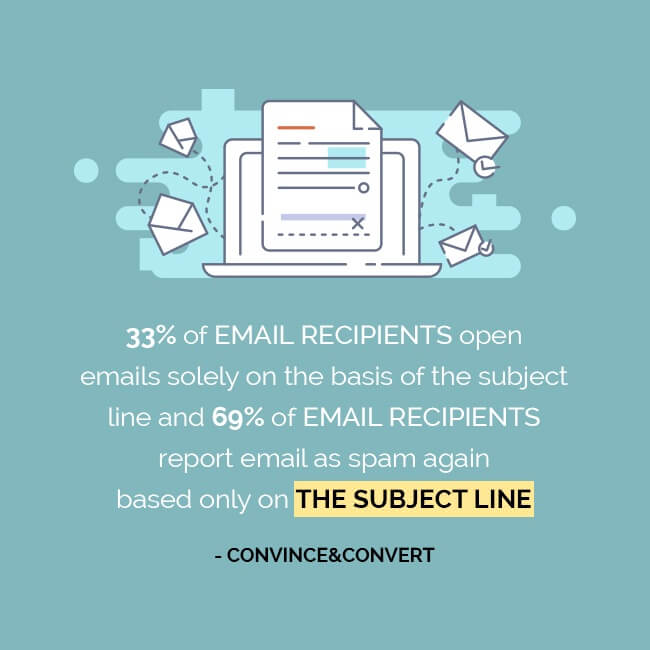
The above facts are enough for us to decipher the importance of subject lines in email marketing. According to a study conducted by Yesmail, between 2014 and 2015, almost two-thirds of all Mother’s Day-themed emails had subject lines that boasted at least one ‘emotion’. The average open rate for those emails was 21.5% higher than that of campaigns without emotion in the subject lines (10.33% and 8.50% respectively).


Taking all these studies into consideration, as an email marketer, you need to pull up your socks, cash in on the opportunity, and plan an exciting email marketing campaign around the occasion.


Our Monks at the monastery, taking cue from these researches and after an in-depth study, have brought together for you a compact and useful collection of Father’s Day subject lines from 30 popular brands. Take a quick look:


1. Dad DEALS (for the host, grill master + more) (West Elm)


2. Final day free ship + 100 gifts for Dad! (Terrain)


3. Celebrate Dad with an Airbnb gift card (Airbnb)


4. You know it’s almost Father’s Day, right? (Dollar Shave Club)


5. Treat him for Father’s day and receive a free summer gift (Clairns)


6. Visit Our Father’s Day Gift Shop (Brooks brothers)


7.

1. A gift for Dad and 20% off for you. (Jack Spade)

2. You Owe it to Dad (Jack Spade)


8. Our Favourite Gifts For Father’s Day (Ralph Lauren)


9. Father’s day exclusive offer – Reward him with an exceptional gift! (Mad in design)


10. Daddy Cool – Shop Our Father’s Day Gift Guide! (Racing Green)


11. Hand-picked Father’s Day gifts (Harrods)


12. Thank you, dad! (Patagonia)


13. iPad 2. The perfect gift for Father’s Day. (Apple)


14. Treats galore to spoil your father on June 15th (Hermes.com)


15. What Dad Really Wants for Father’s Day (Groupon)


16. Father’s Day Exclusives: Library Verticals & More (Duckhorn Wine Company)


17. Get Up to 50% Off Father’s Day Gifts (Amazon.com)


18. Dad always saves the day…now it’s your turn (AT&T)


19. The gift for the dad who has everything (PureWow)


20. Top 7 ideas for Dad, Hurry + FREE SHIPPING 48 hours only (Forzieri)


21. What He Wants For Father’s Day – Give Dad Style (Rue La La)


22. Did you wait? It’s not too late! HUGE deals on Dad’s Day gifts. (World Market)


23. Top 5 Gifts Selected by the Dads of Williams-Sonoma (Williams-Sonoma)


24. Spoil dad with a FREE trio (Sephora)


25. Daddy cool – stylish gifts for Father’s Day (Notonthehighstreet.com)


26. Give Dad the Hottest New eReader: Kobo TOUCH Edition! (Borders)


27. Game On – Gifts for Dad – Plus Gift Card Giveaways (Z Gallerie)


28.

1. What are you getting Dad? (Home Depot)

2. Father’s Day Gifts Under $20, $50, $100 (Home Depot)


29. Celebrating dads from coast to coast + free shipping (eLuxury.com)


30. Great Father’s Day gift ideas (Kitson Couture)


Monks also have some amazing Father’s Day email inspirations to share.


Takeaways


Trends show that spending on Father’s day is on the rise. So, if you wish to get your brand noticed this Father’s day, it is high time you start designing an email campaign and preparing catchy subject lines to grab the attention of your subscribers. The fact is that if the subject line is appealing, the recipient can’t help but open the email!


Source: B2C

Talk the Talk: Marketing Vocab 101

Introduction


Whether you’re an entry level marketing coordinator or a CMO, marketing lingo can feel like it’s a sea of confusing acronyms. In this blog post, we’re gonna go through the rundown of all of the marketing vocabulary you need to know to hit the ground running. In the past, the marketing dictionary was fairly simple, but with the rise of digital and inbound marketing, social media and SEO, suddenly there’s plenty of new terminology you got to know. So before you you go out there walking the marketing walk, make sure you read this so you’re talking to the marketing talk.


The big picture


So let’s get started, shall we? Let’s start with the big picture. Digital marketing? Content marketing? Social media marketing? Inbound marketing? Are these all the same? Kinda, but no.


If we zoom out, we can talk about the umbrella of digital marketing, or the marketing of products or services through technological mediums like the internet, mobile, etc. Under this umbrella, we have three categories:


  1. Owned media

  2. Paid media

  3. Earned media

Sorry if it seems like I’m adding insult to injury of your marketing lexicon, but stick with me. Owned media includes the basis of your digital marketing efforts. It’s your website, mobile site (or app), blog and social media channels. Is the content you put out for the world to see.


Paid media, is your advertising efforts. As suggested by the name, this channel shows that when done right, money talks. Using Pay Per Click (PPC), influencer marketing (we’ll get there), and paid content ads, this is the strategy used to get your name and product in front of your prospects.


Earned media is the high five you get at a crowded party that gets people’s attention. It’s the shares on social media, the name-drops and reviews in an online magazine. The result genuine hype (and/ or some good PR), earned media turns heads and gets people talking.


digital marketing trifecta


(Courtesy of Quora)


Content marketing vs. Social media marketing


Aren’t these the same? Not quite. Many people might call these two the flirty soul sisters of marketing. Unlike the analytical backend side of the marketing, these two are the personable face of any company. Marketing thought leader Jay Baer once distinguished between the two as follows:


The goals of content are consumption, then behavior. The goals of social are participation, then behavior


Content Marketing reminds me of a summer camp bonfire. You have the ability through blogs and other forms of content to tell stories about your company, product, or content. Social Media Marketing is a way to engage your audience to participate in the conversation.


Third party marketers: Affiliate Marketing vs. Influencer Marketing


It’s human nature that people to trust people more than people trust brands. Enter: affiliate and influencer marketers. They can create blogs, vlogs, Tweets, and all other kinds of content that people consume, trust, and follow. By reviewing or mentioning a brand or product, they can easy create brand awareness to their niche audiences. How do they get paid? Each can use special tracked links and cookies to directly tie sales to those that were generated from viewing their content about the brand or product.


So what makes them different?


Affiliate marketing


  • These companies promote products, sales, and offers of other companies through blogs, reviews, paid ads and participating in online discussions.

  • Affiliates are paid a commission from the sales resulting from the traffic they generate to the sites that sell the product/service promoted.

  • Unlike influencers, affiliates will work hand in hand to ensure that the content being posted is in line with the kind of review the brand has in mind. By having the ability to censor the content being published, companies can ensure that their brand is being well represented.

Influencer marketing


  • Usually individuals (bloggers, authors, consultants, etc.) who have a strong niche following either online or on social media.

  • Influencers are (usually) paid a flat fee to promote a brand. This can come with free perks or products to use and review.

  • One unique strength of their influence is that since their reviews tend to be posted through social media, social engagement like commenting, liking, sharing can be generated quickly, bringing new followers to the brand’s social media platforms.

  • Influencer marketers can be a bit tricker because brands have less of a say in how their product is presented. This is a great double edged sword because while companies can have their hands tied about their product’s presentation, consumers tend to trust influencers to be true to themselves and the needs of the their audience. Take a thought leader for example. If a company in his vertical sends him a “goodie bag” with their software to try, there’s a good chance he’s going to put out some kind of review for it. While it’s hard to say bad things about free stuff, the ball’s in his court.

Let’s Talk SEM Keywords (and acronyms)


Oh SEM (Search Engine Marketing). You’re so dynamic, you get your own subheading. Looking at the Digital Marketing Trifecta above, SEO (Search Engine Optimization) is placed between Owned Media and Earned Media. But what’s the difference between SEM and SEO?


Most simply put, SEM is the larger umbrella that holds SEO, but also includes PPC (Pay Per Click). PPC earned its name because it allows advertisers to pay only when someone clicks on their ads that leads the prospect to a company’s website. Within PPC, PSA (Paid Search Advertising) is the ability to put your brand at top of search engine results pages (SERPs) by paying a price.


That being said, SEO is the tools (e.g. Google Search Console, Majestic, Moz OSE, or SEMrush) and tricks (e.g. keywords) that allow you to have your brand organically appear at the top of search results through continued analytics and testing. Online Reputation Management (ORM) is the act of staying on top of your online perception on SERPs to ensure that people see what you want them to see.


Conclusion


That’s all folks! I hope this was helpful for anyone looking for a clearer understanding about some of the existing terminology in the field of digital marketing. One last term for you. Inbound marketing is the perspective of all of these forms of marketing through the customer-centric lens of educating and delighting consumers. Through inbound, marketers work to meet customers where they’re at in the buyer’s journey, whether they’re Googling a how-to, trusting vlog content from influencers, or comparing prices and features before they decide to buy.


Now that you can talk the talk, let’s see you walk the walk. Check out our eBook 30 Greatest Lead Generation Tips, Tricks, & Ideas to get starting on taking your next digital marketing steps.


Source: B2C

Designing “Smarter” With Minimalism

Sleek, minimal, and clean are words that describe the trends in website design today. Have you ever wondered why web design is leaning this way? Think about social media or visit a big news website filled with advertisements. They’re examples of our incredibly busy and overwhelming world. That’s why minimalism is so popular. In our lifestyle choices and through design, we feel the need to declutter. Smart marketers and designers are delivering just that.


We took this approach when designing our new website. Smart, simple, and easy were the core objectives. Here are a few minimal design principals that inspired our design:


Less is more


Minimalism has impact because it provides fewer options. More isn’t always better. When faced with a million choices, people have to use a lot more mental energy to make a decision. This often means making the wrong decision or none at all. It’s the same reason we say we never have anything to watch on Netflix. There’s so much you could binge on, so how do you choose?


When it comes to a website, that means visitors aren’t finding what they’re looking for or they’re leaving. Minimalism requires restraint. Produce less copy, build fewer pages, include less in your navigation, and limit your calls-to-action. It’s the hardest part. There’s so much you want to say and show your visitors.


So you have to act like the people who build the Netflix algorithm. You have to know what they’re looking for better than they know themselves. Use Google Analytics and Hotjar to gather data from your current visitors. Interview sales to find out what they most often talk to prospects about. Then distill it all into its simplest form.


Give your content (white) space


White space is a way to provide fewer options and ensure focus. Have you ever been in a situation where several people are talking to you at once about different topics? It can be hard to prioritise the conversation and can become an overwhelming experience, ending in a miscommunication. In the case of a website, that means a bounce.


When you give website elements room to breath it allows visitors to focus on what they came for: the content. White space doesn’t necessarily need to be white just empty space between visual elements. On our website, the banners have large images but the text is positioned to the empty or ‘negative space’ to the left. This gives our visitors a focal point and clear direction to keep scrolling.


White space example


When attempting to add white space to your website, consider what your main message is and how you visually want to represent it. Once you know what you want people to focus on, take away elements that don’t contribute to your goal and go from there.


Highlight content with strong typography in a grid


Since minimal design aims to do more with less, you’ll have fewer elements to work with. So how do you create visual interest? The answer is with the message itself. Generally, typography used in minimal designs are typefaces with clean lines and simple strokes. When typefaces are stripped to their simplest form it puts emphasis on the content, not the visual.


When this idea is applied to a website, it allows users to easily digest the content. Since the message is the only thing on the screen, it holds more value when other elements aren’t taking away from it. This approach, combined with the philosophy of white space, can create a sense of hierarchy. It can be used to direct viewers to a call-to-action or the next page.


It can be challenging to design a harmonious layout with only white space and typography to play with. That’s why grids and minimalism are best friends. Grids help create a strong sense of alignment with body copy and headings. They ensure a clean, simple, and consistent design.


Grid and typography example


Be mindful with your color palette


If something doesn’t provide purpose to your design, it doesn’t make the cut! Colour is no exception. Most minimal designs are made up of one or two colors. You typically see black and white because they naturally hold the most contrast between each other. But minimal design doesn’t always need to be monochromatic.


Our website uses a limited palette of black and white. We use our brand color purely for our call-to-actions and navigation. Other colors are introduced through our imagery or interactions. These small pops of color communicate our culture’s energy without being distracting.


When applying this to your own designs, consider what color will be used for and why. Will it be used as an accent or a call-to-action? Will this add or distract from content? Whatever the answer may be, keep it consistent, subtle, and simple.


Minimalism isn’t going anywhere


Minimal design is one of those trends that will never go out of style. The most timeless websites practice these principles. Just look at Google in 2007 and compare it to what you see on today’s homepage (below). The style may be updated, but the content and layout remain. They limited the clickable options on the page and emphasized content with white space. That’s why the user interface doesn’t need to be drastically updated when design trends change.


Minimalism is a way of thinking about your design. You could even call it designing smarter. Try interjecting some of its philosophy into your next project or current website. What could you condense, remove, or simplify until all that’s left is what’s necessary?


Source: B2C

Monday, 29 May 2017

Designing “Smarter” With Minimalism

Sleek, minimal, and clean are words that describe the trends in website design today. Have you ever wondered why web design is leaning this way? Think about social media or visit a big news website filled with advertisements. They’re examples of our incredibly busy and overwhelming world. That’s why minimalism is so popular. In our lifestyle choices and through design, we feel the need to declutter. Smart marketers and designers are delivering just that.


We took this approach when designing our new website. Smart, simple, and easy were the core objectives. Here are a few minimal design principals that inspired our design:


Less is more


Minimalism has impact because it provides fewer options. More isn’t always better. When faced with a million choices, people have to use a lot more mental energy to make a decision. This often means making the wrong decision or none at all. It’s the same reason we say we never have anything to watch on Netflix. There’s so much you could binge on, so how do you choose?


When it comes to a website, that means visitors aren’t finding what they’re looking for or they’re leaving. Minimalism requires restraint. Produce less copy, build fewer pages, include less in your navigation, and limit your calls-to-action. It’s the hardest part. There’s so much you want to say and show your visitors.


So you have to act like the people who build the Netflix algorithm. You have to know what they’re looking for better than they know themselves. Use Google Analytics and Hotjar to gather data from your current visitors. Interview sales to find out what they most often talk to prospects about. Then distill it all into its simplest form.


Give your content (white) space


White space is a way to provide fewer options and ensure focus. Have you ever been in a situation where several people are talking to you at once about different topics? It can be hard to prioritise the conversation and can become an overwhelming experience, ending in a miscommunication. In the case of a website, that means a bounce.


When you give website elements room to breath it allows visitors to focus on what they came for: the content. White space doesn’t necessarily need to be white just empty space between visual elements. On our website, the banners have large images but the text is positioned to the empty or ‘negative space’ to the left. This gives our visitors a focal point and clear direction to keep scrolling.


White space example


When attempting to add white space to your website, consider what your main message is and how you visually want to represent it. Once you know what you want people to focus on, take away elements that don’t contribute to your goal and go from there.


Highlight content with strong typography in a grid


Since minimal design aims to do more with less, you’ll have fewer elements to work with. So how do you create visual interest? The answer is with the message itself. Generally, typography used in minimal designs are typefaces with clean lines and simple strokes. When typefaces are stripped to their simplest form it puts emphasis on the content, not the visual.


When this idea is applied to a website, it allows users to easily digest the content. Since the message is the only thing on the screen, it holds more value when other elements aren’t taking away from it. This approach, combined with the philosophy of white space, can create a sense of hierarchy. It can be used to direct viewers to a call-to-action or the next page.


It can be challenging to design a harmonious layout with only white space and typography to play with. That’s why grids and minimalism are best friends. Grids help create a strong sense of alignment with body copy and headings. They ensure a clean, simple, and consistent design.


Grid and typography example


Be mindful with your color palette


If something doesn’t provide purpose to your design, it doesn’t make the cut! Colour is no exception. Most minimal designs are made up of one or two colors. You typically see black and white because they naturally hold the most contrast between each other. But minimal design doesn’t always need to be monochromatic.


Our website uses a limited palette of black and white. We use our brand color purely for our call-to-actions and navigation. Other colors are introduced through our imagery or interactions. These small pops of color communicate our culture’s energy without being distracting.


When applying this to your own designs, consider what color will be used for and why. Will it be used as an accent or a call-to-action? Will this add or distract from content? Whatever the answer may be, keep it consistent, subtle, and simple.


Minimalism isn’t going anywhere


Minimal design is one of those trends that will never go out of style. The most timeless websites practice these principles. Just look at Google in 2007 and compare it to what you see on today’s homepage (below). The style may be updated, but the content and layout remain. They limited the clickable options on the page and emphasized content with white space. That’s why the user interface doesn’t need to be drastically updated when design trends change.


Minimalism is a way of thinking about your design. You could even call it designing smarter. Try interjecting some of its philosophy into your next project or current website. What could you condense, remove, or simplify until all that’s left is what’s necessary?


Source: B2C